SiGA® SiC Composite Fuel Rods
|
|
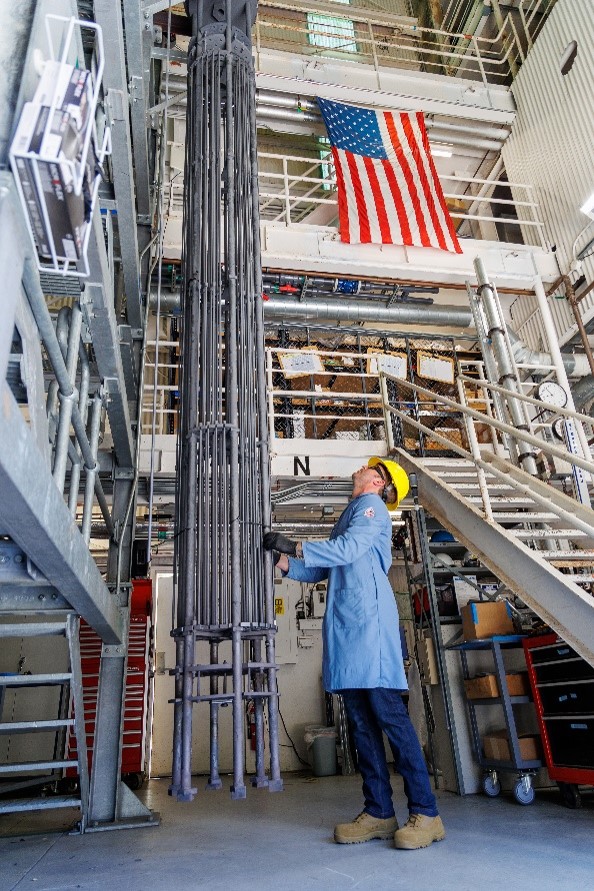
General Atomics Electromagnetic Systems (GA-EMS) is modernizing the current nuclear fleet, creating fuel rods that are fully ceramic, able to withstand high temperature nuclear reactor conditions. As a drop-in replacement for metal rods, they will enhance the safety of today’s reactors because SiGA rods do not melt like metal rods. Due to their material properties, these ceramic rods enable high enrichment, high burnup, and longer lifetimes, thus improving economics for the light water reactor fuel cycle.
Benefits for Light Water Reactors
- Extended Lifetime: Enables fuel rod lifetimes that are six times longer than conventional metal fuel rods
- Neutron Resilience: SiGA® fuel rod maintains structural integrity without embrittlement during irradiation
- Leak-Tight Endcaps: Proprietary ceramic sealing method ensures long-term containment and reliability
- Operational Efficiency: Supports power uprates while reducing wear on fuel rods and reactor grids
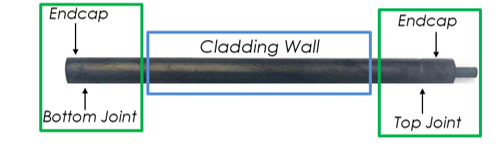
durability joints between ceramic components. U.S. Patent No. 9,132,619.
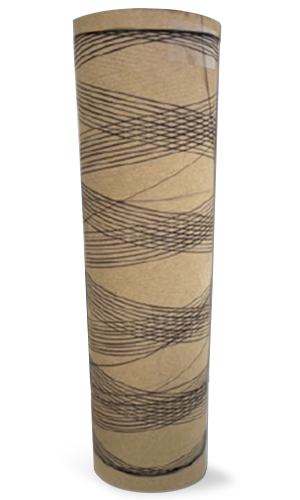
SiGA® Composite Fuel Rod Fabrication Meets Strict Nuclear Quality Standards
|
|
SiGA® Cladding Demonstrates Superior Performance in LOCA Conditions In this comparison of Zircaloy and SiGA, fuel rod samples were internally pressurized, exposed to 1200°C steam for 1,000 seconds, and quenched with water to simulate reflood conditions. The Zircaloy rod appears on the left, and the SiGA rod appears on the right. |